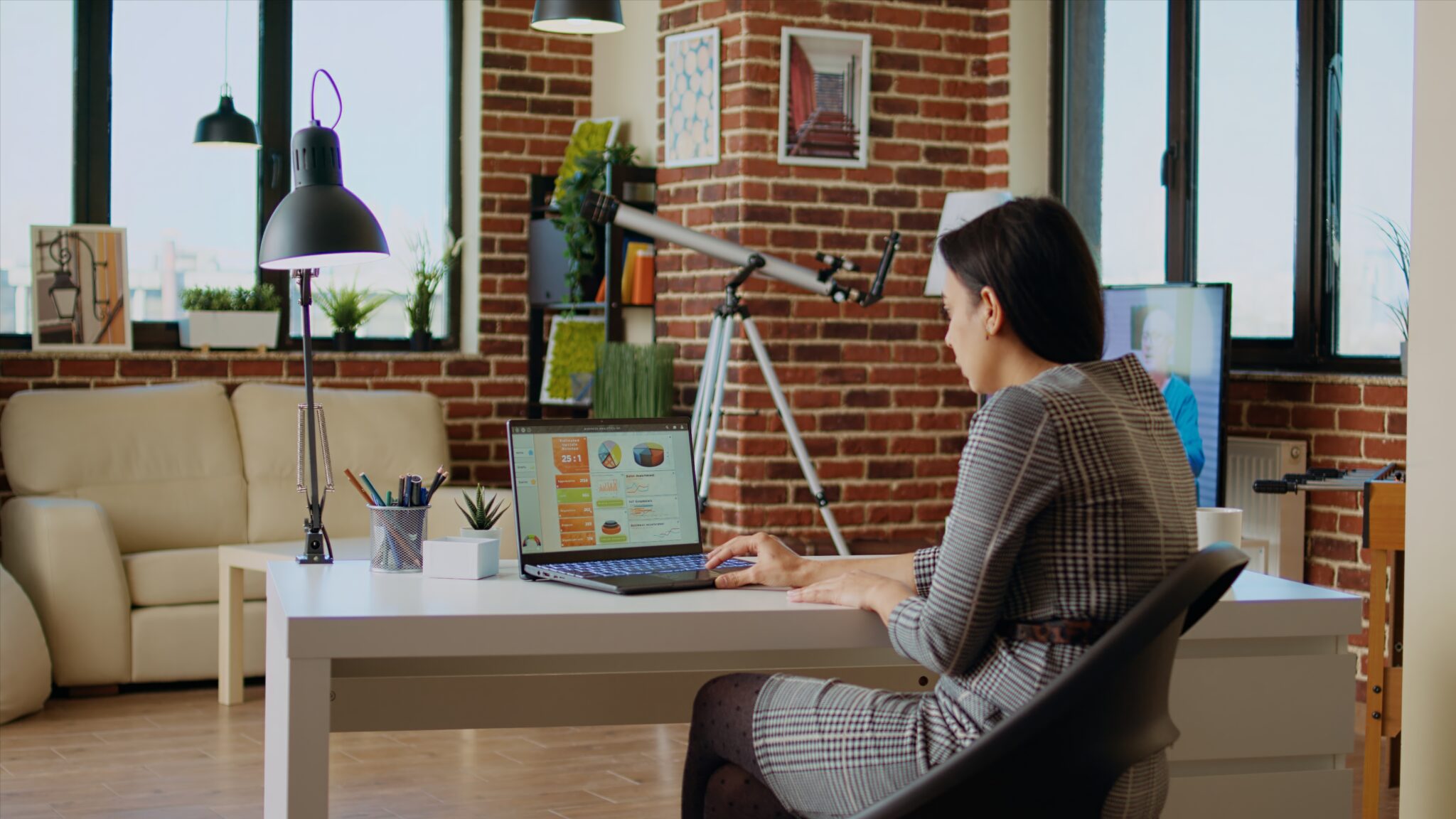
Remote work in the USA has transformed the lives and employment of millions of Americans. What was once seen as a stop-gap measure to combat a pandemic is now an integral part of operations. By 2025, about 22% of all full-time employees in America will be working remotely at least part-time. This increase brings newfound freedom but also new requirements in highly populated urban centers such as New York, Chicago, and San Francisco. Small spaces and perpetual noise greet inhabitants of these cities who are seeking ways to create a solid home office setup in 2025 that enhances both their output and their tranquility.
This paper further encourages the development of telecommuting in the United States. We will explore intelligent designs for city homes, simple productivity hacks, and steps for better work-life balance. Whether you’re renting a tiny apartment or own a cozy flat, these tips will help you create a space that feels right. Taking advantage of recent trends, we have zeroed in on practical steps. Remote work urban is here to stay, and if set up rightly, it can make your days more focused and joyful.
Shifts in Remote Work Across City Life in America
Remote work in the United States has evolved significantly since 2020. Over 40% of jobs classified as white-collar were once fully remote, but in the five years leading up to 2025, the picture suggests more balanced hybrid models, with 52% involving both office and home days. Fully remote roles account for 22%, dipping slightly from peak years but still over 32 million strong nationally.
Nowhere is this shift more personal than in urban America. Tech jobs, finance gigs, and media work all draw young professionals into the city. High rents and small spaces make them rethink their ways. A look at 2025 shows that 66% of firms in the city offer some flex time now, up from 63% two years back. This helps with the jams and long commutes that take up 50 hours a year for the average city dweller.
Some of the major challenges in urban home offices include cramped apartments—frequently less than 800 square feet—that do not offer enough space for a dedicated zone. Distractions may include noise from streets and neighbors or sirens that can be disruptive, as well as the fuzzy boundary between home and work that erases the distinction, centering work in a person’s life.
Lighting issues are common in many urban areas, where there is not enough natural sun to prevent eye strain after hours on screens. And then there are the tech glitches—spotty Wi-Fi in high-rises that slows everything down. By 2025, 32% of remote workers in the city say the space is what’s limiting their setup. These barriers cut output and heighten stress. But thoughtful changes can overcome them. It’s a matter of having a place that fits your flow, not fights it.
How to Design the Perfect Home Office Setup in Your House
Space is key when creating the perfect home office setup in your house. While it may require intelligent and space-saving choices in urban apartments, comfort cannot be sacrificed for effective remote work in the USA.
Ergonomics and Furniture Choices
Ergonomics might not be the sole factor, but posture over a long day does count. Choose an adjustable desk that transitions between sitting and standing heights, and you can bid farewell to back pain—the biggest issue for 30% of remote workers—with lumbar support included. Ergonomic chairs are a necessity. Wall-mounted desks or fold-away tables make for a solid space solution.
Multi-functional pieces are great in urban spaces. For instance, a sofa bed can double as a guest sleeping area and seating. Floating shelves can be installed to keep clutter off the floor while maintaining access to files. Plants promote calm—such studies have indicated that biophilic design increases happiness by 15%. Stick to neutrals, like soft grays.
Light comes first. Pair LED bulbs with drapes for soft radiance. Aim for 500 lux on the desk to keep the eye ache away. Gear: Noise-blocking headphones to kill the city hum. Extra screen: Widen your sight and work 20% more quickly.
Cable organizers hide the mess of wires. Smart plugs turn on lights via apps, saving power when money is tight. A pretty small rug or art that brings joy. These small things make your 2025 home office setup a safe haven in the city rush.
| Type | Setup | Key Features | Cost Range (USD) | Best For Urban Dwellers |
| Budget Basic | A folding desk, a basic chair, and a desk lamp | Easy to store | $200–$500 | Students or starters in studios |
| Mid-Range Hybrid | Height-adjustable standing desk, ergonomic chair, dual monitors | Comfort versus space | $600–$1,200 | Pros in one-bedrooms |
| Premium Pro | Custom wall unit, high-end chair, smart lighting system | Full tech integration for peak flow | $1,500+ | Executives in lofts |
A table with alternatives for different needs. Choose according to your pocket and space size.
Remote Success: Productivity Hacks for Remote Success
It is on good days that hacks are discovered, and on great days that they are implemented. In remote work USA, it’s the little things that make for big wins. Here’s what we know works, straight from 2025 trends.
- Time Blocking: Set chunks for tasks, for example, 90 minutes for emails. This simple war against distractions increases output by 30%. Noisy urban professionals love it.
- Pomodoro: Work for 25 minutes, take five. It helps keep the energy going and prevents burnout. Lots of apps in the market do this—Focus Booster is one of them.
- Dedicated Workspace Ritual: Start with a cup of coffee, end by shutting down the laptop; it tells your brain to get into “work mode” and focus more.
- Async Communication: Write messages. Don’t hop on a call that drags for hours. Use something like Slack, which saves hours and respects time zones all over the world. Group like tasks together—group responses or phone calls into one—don’t let it steal 40% of your day known as mental switches.
- Daily Wins List: Note three must-dos each morning. Check them off to build momentum and a sense of progress. Such productivity hacks fit into urban life, carving out work-life balance in rest.
Work from home in the city. It is easy to have a great life if you work within the lines. Getting back to normal is just a few simple steps away. Set clear hours, say 9 to 5, and follow them. If you do not want that evening or after-hours ping, share your schedule with people.
Take a 10-minute walk in the park—that’s how Midwestern cities like Minneapolis find themselves stacking up high on balance indexes—green spaces you bring the outdoors inside with open windows. Flexible hours let people work when they have energy, say in the morning for deep tasks.
Seal it with self-care: seven hours of sleep and quick stretches. Seventy-one percent of remote workers say that this setup enhances satisfaction. Calendar blocks for family time are a way to protect your peace. Work-life balance isn’t luck—it’s design.
Intelligent tweaks at a home office workspace organized for 2025 will include AI-mingled auto-lighting tables. Hybrid will be the leading way in 60% of city tasks. Efficiency tricks will change with talk tools, perhaps slicing in half the time now used on keying. Work-life balance fit tools, like app notes to unplug, will rise. City America is ready for wiser, greener remote work USA.
Conclusion
Remote work in the USA has on balance been positive for reshaping urban life. From evolving trends and meticulous planning of home office setups in 2025, we hope to extract greater happiness and productivity. If ergonomics are a problem, interpret it, brighten your area, and depend on productivity hacks for productivity to maintain keenness. Most importantly, cultivating work-life balance is at the core of sustained success.