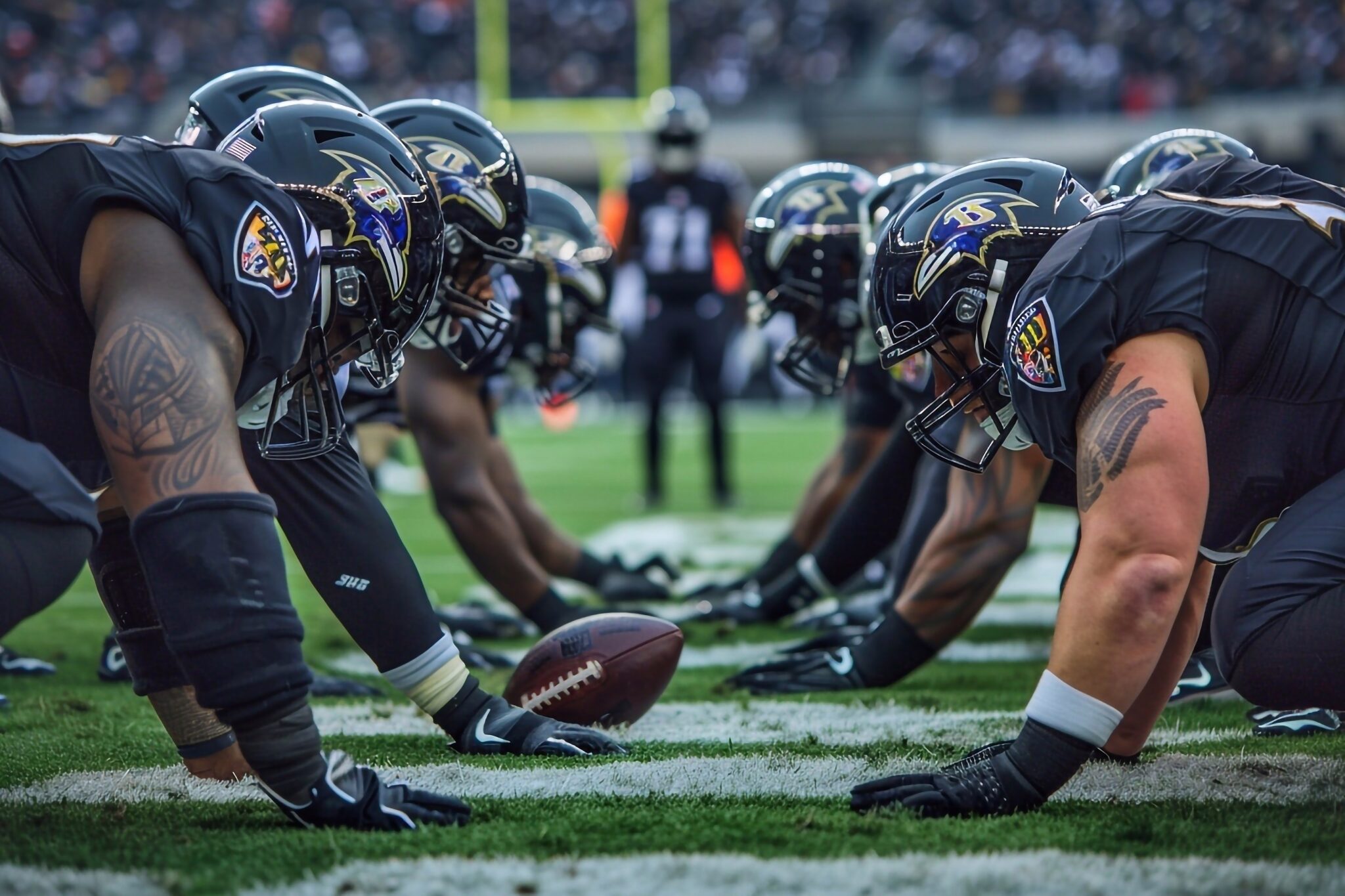
The game of American football is a fast, furious assault of bodies and legs that defines each play. The concussion has long haunted the NFL; however, most concussions are not visible, do not show immediate effects. Today’s National Football League (NFL) initiatives toward player safety in the USA firmly establish brain health protocols as pillars of the modern game. This article demonstrates how injury prevention measures and structured protocols are currently coming between athletes and harm, drawing from developments as recent as 2025. Such understanding will help fans and other stakeholders to appreciate the commitment by this very conservative league towards a safer future.
Worry Grows: The Impact of NFL Concussions on Players
A concussion in the NFL takes place when it is the head or body that is hit and this causes the brain to move inside the skull. Symptoms related to concussions include headaches, dizziness, and general confusion. Concussions can have side effects when they develop into a condition known as CTE, a traumatic pathology of the brain precipitated by repetitive injuries to the head. This is a high-contact league; one hit can bench a star player, and change a career.
Player safety in the USA has evolved into a national priority, especially as research highlights the long-term risks. According to recent data, the 2024 NFL season recorded 182 concussions across games and practices—a 17% drop from 2023. This progress underscores the effectiveness of ongoing brain health protocols, yet it reminds us that NFL concussions remain a persistent challenge. Every season, these incidents affect not just individual athletes but entire teams, prompting the league to refine its approach to injury prevention.
Families and communities extend to off the field. Players with multiple NFL concussions have greater odds of experiencing cognitive problems later in life. Comprehensive player safety in the USA initiatives in partnership with organizations like the Centers for Disease Control and Prevention (CDC) through its Heads Up program emphasize education about signs and symptoms as well as quick response to these injuries. Prevention begins with awareness emphasized by brain health protocols.
A Quick Look at How NFL Brain Health Practices Have Changed Over Time
The NFL did not truly embark on a path to enhanced player safety until the early 2010s, amid increasing pressure. In 2011, the league introduced its Concussion Protocol. This was in response to lawsuits filed against it by former players and mounting scientific evidence about CTE. Before this, dealing with concussions was largely seen as minor setbacks that needed some basic brain health protocol to be taken care of.
Through the years, these have been revised every year to include the most recent medical knowledge. By 2025, upgrades comprise obligatory baseline neurocognitive testing for all players and the existence of INCs on sidelines during games. These specialists offer impartial assessments, free from team pressures, guaranteeing choices to focus on athlete well-being.
Rule changes and equipment innovations have also allowed injury prevention to gain strength. For example, new changes to the rules regarding kickoffs in recent years reduced the rate of concussions by as much as 43% on those particular plays. This is a further testament to the evolving commitment on the part of the NFL toward best-in-class brain health protocols while balancing player safety and the game’s thrill sustainably.
Core of the NFL’s Efforts: Diagnosis, Treatment, and Recovery
Protocol requires immediate removal from play if a concussion is suspected—there is no waiting period for observation. Instituting the “when in doubt, sit them out” requirement goes a very long way toward protecting players from further damage during the vulnerable acute phase.
Following extraction, the protocol return that is managed by the team physician and certified athletic trainers commences. There are five progressive stages which take a number of days or weeks in the case of an average injury to complete; much longer in the more severe cases.
- Activity, limited by symptoms: The individual engages in light mental tasks at home or just remains at rest until such activities (like reading or watching television) precipitate symptoms (such as nausea or sensitivity to light). There shall be no exertion of any kind.
- Aerobic Exercise: Controlled cardio involves stationary biking started under the supervision of an expert in order to restore the strength levels of an individual without causing any impact on the head.
- Strength work and non-contact drillsinclude running routes that help to regain skills with close observation of balance and coordination. The athlete joins in team practice for observation working on position specific movements without tackling. Once the athlete is cleared for live drills then for a game if symptoms do not return.
Through it all, neurocognitive testing and balance assessments at each step and stage of the way also guide the process. The unanimous decision of INCs in determining returns adds further objectivity to player safety in the USA. Such brain health protocols have worked well with return times averaging about nine days, though full recovery may take even longer.
Education counts too. Preseason briefings on symptoms and reporting empower players to come forward, including peer support, in a holistic approach to injury prevention at the pros that trickles down through youth leagues across the country.
Helmets: Key to Prevention
In 2024, the NFL leveraged twelve new models with superior impact absorption to attain that year’s record low on concussions. Guardian Caps—soft shell add-ons utilized during practice plays—reduced by nearly 50% concussions during use-times where they were intended to be utilized. All these new items support brain health protocols by reducing force transmission to the head.
Rule changes target high-risk plays. The 2024 kickoff modification that closes players in to eliminate speed resulted in fewer high-velocity collisions and a 17% overall drop in concussions. Similarly, penalties for hits on defenseless receivers.
Other aspects of injury prevention involve technique and training. Programs comprise the “Heads Up Football” component USA Football has started, which includes leading with the shoulder and not just diving head first; in addition, warm-up exercises for neck strength build even more resilience.
To show progress, here is a table of trends in NFL concussions:
| Season | Total Concussions | Change from Previous Year | Key Contributing Factors |
| 2021 | 245 | – | where it begins |
| 2022 | 213 | -13% | Initial Rule Tweaks |
| 2023 | 213 | 0% | Helmets upgrades start |
| 2024 | 182 | -17% | Guardian Caps, New helmets |
Source: NFL Operations Data
This data speaks to how the integrated brain health protocols and injury prevention efforts yield tangible results. It is, however, advised that vigilance must not be relaxed, as player safety remains paramount.
Challenges in Beating the Gaps of NFL Concussion Management
Problems do exist, despite these developments. Pressure easily compromises the protocols if not well managed from both coaches and players for early return. This was clearly brought out in studies on medical decision-making. There is also the problem of underreporting since most athletes hide symptoms just to remain in play.
Programs for long-term brain health protocols are coming up, but gaps in post-career support have inspired the NFLPA to fund new studies about CTE as well as about recovery. Experts say that oversight is another key need for independent oversight to ensure real and unbiased progress.
Injury prevention has to be as dynamic in responding to emerging trends such as the uptick in kickoff concussions that may emerge because increased returns take place in the 2025 season. Refinement of these strategies and sustaining the player safety in the USA gains will continue to depend on collaboration with the CDC’s Heads Up program.
Conclusion: A Beacon of Progress in NFL Concussion Protocols
Through stringent and meticulous brain health protocols, innovative strategies on injury prevention, and a culture of accountability, the U.S.-based NFL has been making new standards concerning player safety. Investment in research and education would go further to ensure that future seasons of the NFL keep making the occurrence of NFL concussions even rarer—allowing athletes to thrive without fear.