For years Hollywood has been the dream factory producing feel-good stories that touched people’s hearts around the globe. Stories that touched people’s hearts. For years, however, they missed certain voices. Today, all that has been changing. The call for Hollywood diversity in Hollywood has never been louder and focuses on fair chances for all in films and shows. In fact, this includes Oscars 2025 where new ‘rules of the game’ gave some unheard heroes. It’s now an essential part of creating a movie; casting characters to look like real people. And entertainment equity means equal chances not only in front of the camera but also behind it. In this article we will see changes are going on in the Industry. We will go through history, victories of recent data, and what next? Let’s have a look.
A Brief History: Diversity in Hollywood
Long-standing discussions and efforts have elevated the industry’s standards.
A Glance at the Past
Most roles went to white actors in the early days of film. There were very few opportunities for women and people of color. Progress continued through the 1990s when stars like Denzel Washington and Halle Berry were taking home big awards. But real change came in the 2010s when people just started pushing underrepresented talent to get some more roles. More balanced stories where all sorts of people get a chance—not just the sidelined ones in society. Thus, in Hollywood ‘diversity’ is a place for everyone, starting with writers and ending with directors.
A Fresh Look: #OscarsSoWhite and What’s Ahead
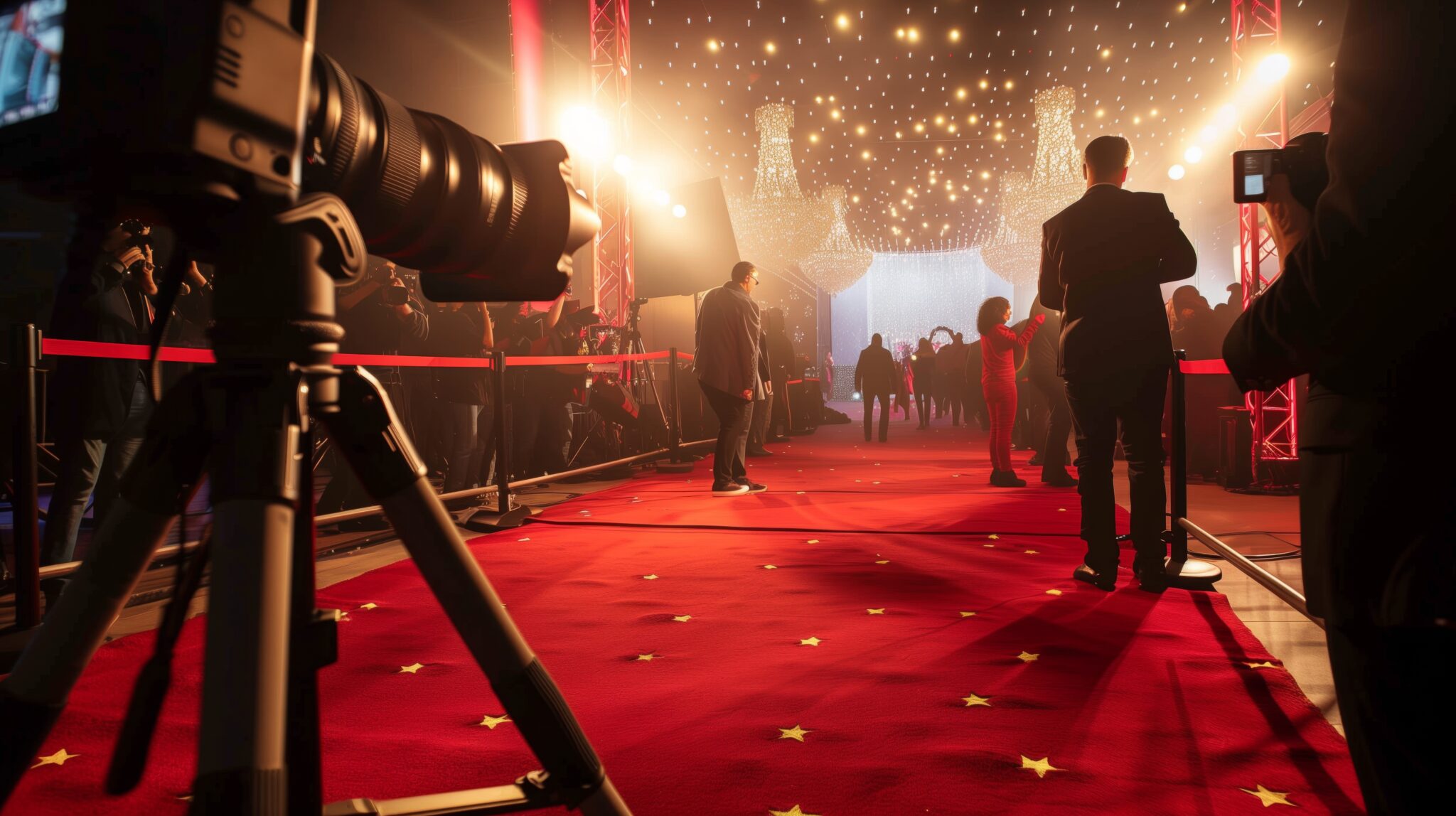
In 2015, #OscarsSoWhite was the viral hashtag that so pointedly reminded the world how few people of color were receiving Oscar nominations. This awoke the Academy of Motion Picture Arts and Sciences, and they vowed to add more diverse members. By 2020, some fresh rules had been put in place for the Best Picture films, requiring at least one lead actor from an underrepresented group, or centering on themes of race or gender. This sparked progress in inclusive casting and entertainment equity. It is indeed in 2025 that we see the fruits of that effort. The Oscars 2025 were a moment in March when the awards were smashing the old molds of the kind of movies and showed what great art could be a result of Hollywood diversity.
How New Standards Affect Studios and Audiences
The Academy’s inclusion rules that began in 2020 went fully into effect for the Oscars 2025. Films had to meet two or more standards, like diverse crews or paid internships for underrepresented groups to qualify. This made the studios think about entertainment equity early into production. All this while skeptics called it “quotas,” but as the old saw goes, ‘the proof is in the pudding.’ Nominations went to films such as The Color of Change and Echoes of Tomorrow without appearing a token gesture. This year, 30% more underrepresented actors were considered: there were 3 who got acting nominations rather than 1 in each of the previous years. Best Actress: And a win for a Black director’s film – the 1st time that’s happened since 2002. Director: He nominated a South Asian filmmaker for a story on immigrant life. Picture: Unity in Shadows – the inclusively cast film from start to finish reaped that bounty. Such Oscars 2025 glances of increasing the Hollywood diversity of Hollywood would inspire young talents worldwide.
| Categories | 2020 Diversity Noms (Underrepresented) | 2025 Diversity Noms (Underrepresented) | Key Change |
| Actors | 18% | 35% | Leads: More Latinx and Asian |
| Directors | 12% | 28% | Directors: More women and people of color |
| Pictures | 22% | 45% | Best Picture: Diverse themes |
The above table is demonstrative of entertainment equity strides made at the Oscars. Figures have been acquired from Academy reports and are seen to be progressively consistent gains.
Trends and Statistics: Inclusive Casting
Inclusive casting means matching roles to the real-world population. This is a big Hollywood trend into 2025, as demanded by the viewers.
On-Screen Representation by 2025
UCLA’s Hollywood Diversity Report shows mixed but hopeful signs. In top theatrical films of 2024 leading to 2025 releases, POC represented 42% of leads; it was 35% in 2020. Women hit 47.6% of lead roles’ – not that far from half. Streaming films did even better and reached 50% Black, Indigenous, and people of color in leads. No franchise is going broke by the new rules as Films grossing $100M+ with diverse top-billed casts saw 20% higher averages on annual grosses compared to “non-diverse” cast movies. Inclusive casting means success, not just fairness. However, there are still challenges. Asian American roles are extremely limited, taking up only 5% of speaking parts while disability representation is at a paltry 2%. Much more work needs to be done here in terms of Hollywood diversity. Body Diversity: Leads now include seniors and plus-size actors, challenging old ideals. Behind the Scenes: Minority directors improved diverse casts by 15%. This ties back to media equity, allowing for casts that mirror the demographic who is watching. People feel a stronger connection when they see themselves on screen.
Entertainment Equity Behind the Scenes
Hollywood diversity goes beyond actors. Entertainment equity means fair shares in writing rooms, editing bays, and executive suites.
Progress in Production Roles
Women’s non-acting Oscar noms rose to 28% from 19% a decade ago. BIPOC directors hit 22% on top films. The academy added over 1,000 diverse members in 2025. Netflix hit 40% diverse crews in 2018 originals, building real change.
Not all smooth
By 2025, backlash against DEI efforts went viral, with some labeling the rules as “unfair.” Of diverse hires, minorities mostly struck during layoffs. More weight is dished out to ‘safe’ bets than daring ‘inclusive’ projects. Besides, AI tools are a risk factor in cutting creative jobs minus equity reviews. A correction on this may see a call by leaders for better tax breaks, and more training programs. Successes still outshine the hurdles. Films like Horizons United, with diverse crews, win big at festivals and the Oscars 2025. That’s proof of what entertainment equity returns in quality and profits. And so looking forward to 2026 and beyond, we must keep pushing. Push for annual diversity audits, global partnerships, and richer stories; viewers, and especially the younger demo, now insist on inclusive casting: 75% say they’ll skip non-diverse shows. Studios that ignore this stand to lose more-than-just fans.
Education
Equity is, according to film schools, supposed to start on the very first day. Remote talent’s barriers are going to tumble with such tools as virtual auditions. Oscars 2025: let’s maintain it now.
Conclusion
Hollywood diversity has come far in Hollywood, from the #OscarsSoWhite wake-up to 2025 triumphs in casting and entertainment equity. We’ve seen stats improve, stories diversify, and box offices boom. But challenges like backlash and funding gaps remind us work continues.