
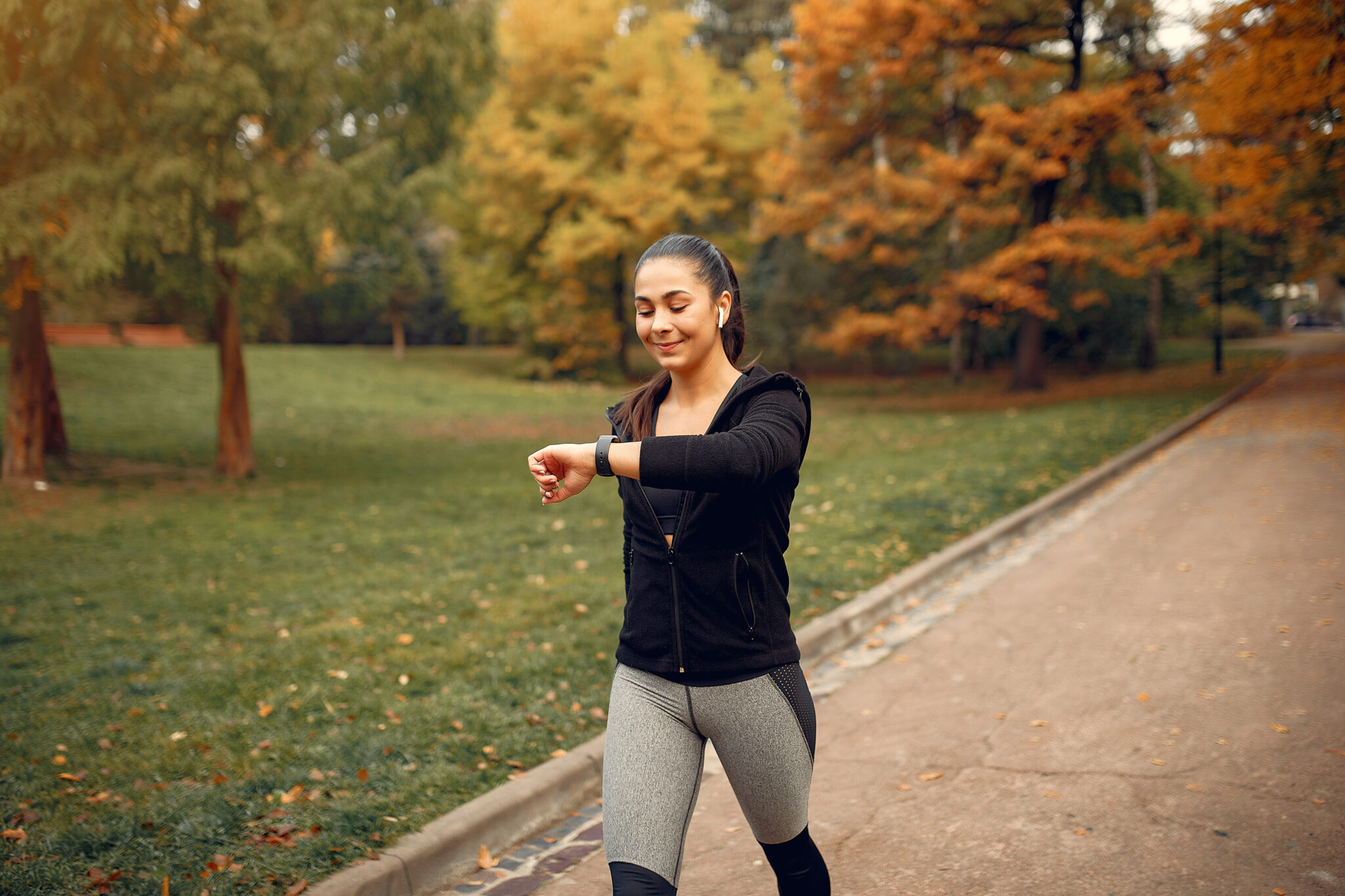
Walking is one of the simplest exercises to perform but it has realized great effects on health and wellness. As a general method for adding years to life, people are constantly searching for ways that would effectively add quality to their lives. This paper discusses all the potential health benefits of walking along with different walking fitness routines, low-impact exercises involving walking, and new 2026 wellness trends. Other beginner insights that will help you create a sustainable pathway to improved health include whether you are just starting or ready to take your routine up a notch.
Simple Tips for Staying Healthy as You Age
How Walking Boosts Your Well-being
Walking is not just a means of mobility but rather the foundation of preventive health. Studies have revealed the multiple health benefits of walking concerning health by reducing risks for chronic conditions and improving general vitality. For example, it has been found that regular walking reduces probabilities for cardiovascular conditions, diabetes, and even some cancers. Daily walks help in weight control and blood sugar regulation and in building up the immune system of an individual.
The main thing in the health benefits derived from walking is the role it plays toward heart health. Studies have shown that in about 30 minutes of walking, adding up to a day made brisk strengthens the heart muscle and circulation thereby reducing chances of getting heart diseases. Others include keeping healthy blood pressure as well as reducing bad cholesterol. These are long-term factors because a healthier cardiovascular system will most probably not develop complications in the near or late future.
Walking can also greatly improve mental health. It helps the flow of endorphins which naturally enhances the mood. It may reduce symptoms related to anxiety or depression, it improves cognition as well as the quality of sleep. In this time where mental health has gained enormous impetus, including walking as a part of daily activity offers an easy route toward emotional equilibrium and better cognition in the later years.
Also, the benefits of walking for health go to joint health and mobility. Since it does not strain the joints as compared to high-intensity activities, walking still supports bone strength as well as muscle strength, most suitable for older people who would like to keep a long life because it maintains independence and reduces chances of falling therefore in the long run all the positive effects that accumulate from walking makes it a good choice for everybody who wants a long healthy life.
Looking at Walking Fitness Programs
A walking fitness program provides a structured way through which the benefits of this activity can be maximized. The programs vary with different levels of participants but ensure inclusion for all. For novices, brief periods that will not be strenuous to the body yet will inculcate confidence as well as strength building is recommended.
Beginner Walking Fitness Routines
Beginner walking fitness routines emphasize consistency and gradual progression, wherein one walks for 20 to 30 minutes three to five days a week at a comfortable pace. This will help in developing the habit while yielding initial health benefits. In order not to strain oneself, flat terrains should be incorporated at first and steps can be easily tracked with an app or simple pedometer.
As you get better with these walking fitness routines, throw in some interval walks—one minute at your usual pace then the next minute at a fast pace. Calories will shoot up; cardio health gets better. For newbies: just soothe any ache felt by the body. Drink water and put on good shoes to stop any kind of pain.
Advanced Walking Fitness Routines
For advanced participants, additional challenges in the walking fitness routines are introduced to help raise the bar of performance. This may include hill walks or in some cases extended durations-intensities of 45 to 60 minutes added to increase intensity. It has become popular among advanced routines where you maintain a faster pace with purposeful arm swings.
Put weights and bands in your walk. Place ankle weights on as you walk. A more skilled person can do path walking over rough ground which will help with both steadiness and core strength. Keep in mind that these walk plans are for slow, steady gains not quick highs.
Incorporating Low-Impact Exercises with Walking
Low-impact exercises are important for those who want a gentle yet effective method of movement, and walking goes well with them. These exercises reduce stress on the joints but provide great results for general well-being. Including walking with other low-impact exercises creates a program that supports maintaining a long and healthy life.
Walking in water, sometimes called aqua aerobics, is a great way to add on low-impact exercises. There is less impact in water hence it will not be hard on your knees and hips yet resistance against movement in water helps with muscle toning. This exercise complements normal walking because it adds some variety and aids recovery.
Another low-impact workout would be yoga walking. You may alternate your laps with tree pose or warrior stance from yoga to add flexibility and mindfulness at the same time. This hybrid will be making you strong at the core while giving you good posture for mobility in the long run.
Pilates can be considered as part of low-impact exercises involving walking. For example, keep steady breaths and hold the pelvic floor while walking to build inner strength. Such mixes make low-impact exercises fun, thus wide.
Cycling as cross-training low-impact exercise pairs well with walking. Do alternate days bike and walk so different muscles get used hence not giving a chance for any injury to set in from overuse. This keeps monotony away while keeping the benefits to the heart.
Bodyweight squats during walk breaks add functional strength do them for ten minutes-do ten squats. Strength of the legs and endurance build up. These make sure that low-impact exercises are dynamic and supportive toward getting all fit.
2026 Wellness Trends in Walking
Looking forward, 2026 wellness trends emphasize holistic approaches with walking as a part of it. Experts predict an increase in tech-integrated walking, including apps that measure not only steps but mood and recovery metrics as well. This will also coincide with personalized fitness making walking more data-driven.
Interval walking breaks out as one of the top trends in wellness for 2026. It involves short spurts of speed that are added to recovery time. In other words, “Japanese walking” increases someone’s metabolism and endurance very effectively and efficiently. This trend targets mostly busy people who want quick sessions that work.
Another wellness trend in 2026 is mental fitness by walking. Programs that encourage mindful walking with meditation help to identify stress and emotional health. Programs encouraging group walks build community as they fight isolation.
Recovery will lead the 2026 wellness trends whereby people walk in weighted vests, whereby resistance is added to the body through weight without high impact. This creates bone density and strength- great for the aging population.
Eco-walking is the process whereby walking is associated with taking care of the environment. This forms part of some trends growing within the wellness industry by 2026. Some record carbon savings, others participate in cleanup walks. Fitness meets sustainability.
And lastly, AI-guided plans individualized 2026 well-being trends in walking, changing the plan based on real-time data to get results!
Examples of Walking Workout Schedules
Below are the examples that have been designed to help you implement these ideas. The weekly structures for different levels have been tabulated.
| Level | Monday | Tuesday | Wednesday | Thursday | Friday | Saturday | Sunday |
| Beginner | 20-min brisk walk | Rest or yoga walk | 25-min interval walk | Rest | 20-min flat walk | 30-min nature walk | Rest |
| Intermediate | 30-min power walk | Low-impact exercises with squats | 35-min hill walk | Rest | 30-min weighted walk | 40-min interval | Yoga-infused walk |
| Advanced | 45-min fast walk | Cycling cross-train | 50-min trail walk | Low-impact exercises with pilates | 45-min with weights | 60-min endurance walk | Recovery walk |
- Hydration, and nutrition after the walk should be included for recovery.
- See a doctor before starting new routines.
- Change routes to keep motivation up.
They cover plans that embrace walking fitness routines and low-impact exercises with fragments of the 2026 wellness trends for comprehensive benefits.
Conclusion
Workouts of walking are great contributors toward achieving a long life due to the huge health benefits of walking that they bring. Adopt proper walking fitness routines mixed with low-impact exercises, for sustainable fitness welcomes 2026 wellness trends as an up-to-date and effective approach. Be consistent in your efforts, however small they might be at the beginning, make walking an exercise not just a fitness plan but rather a lifestyle that sustains wellbeing.
For more exclusive Health & Wellness updates, visit CBS Magazine