Marriage is arguably the most important event in life, establishing an emotional, social, and spiritual union between two individuals. In India and other cultures influenced by Vedic traditions, Kundli Matching, also referred to as Horoscope Matching or Guna Milan, plays a critical role in determining marriage compatibility.
In a general sense, when it comes to people marrying, people are aware of the idea of matching horoscopes, yet the majority lack the idea of understanding that Kundli Matching is a science, necessary to consider from both precise constructs and more larger philosophical perspective. Many people will rely simply on the “score,” or will simply consider the one factor of Manglik Dosha, which does not offer a more significant realisation of what might provide a deeper understanding and mitigating factors for a longer marriage.
In this article, we will share the Top 5 Dos and Don’ts before matching Kundlis for marriage: Tips on Kundli matching, astrology prediction for Marriage, and Zodiac compatibility while building a successful married life.
What is a Kundli Matching Chart?
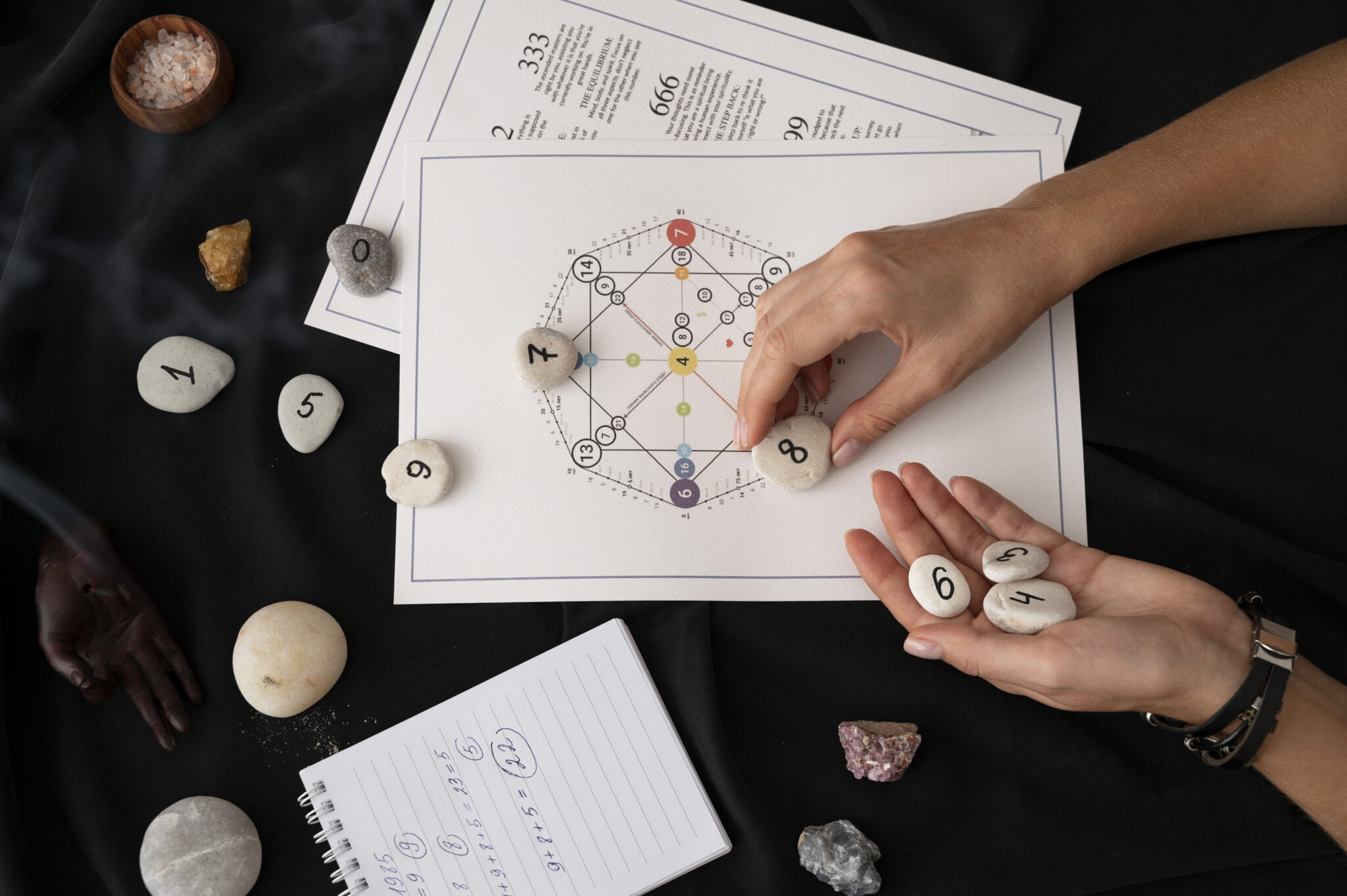
An individual’s Kundli Matching Chart is created using the exact date, time, and place of birth of both individuals. It describes the aspect of the planets, the Moon sign, and the twelve houses that allow an astrologer to determine compatibility with respect to love, communication in marriage, health, and prosperity.
A Kundli Matching Chart assesses eight important aspects called Kootas (or Kootas)– Varna, Vashya, Yoni, Gana, Graha Maitri, Bhakut, Tara, and Nadi — that equal a total score of 36 points. A higher score would generally indicate better compatibility in marriage, but this score is one piece of the Kundli Matching Chart.
An astrologer would also assess the strength of the planets the couple possesses, doshas, and lastly, the Navamsa (D9) chart to provide a complete analysis of compatibility from this perspective. This full analysis ensures compatibility in a marriage isn’t simply mentioned in mathematical form, but that the analysis has been completed in terms of emotional, spiritual, and practical aspects as well.
Dos and Don’ts Before Matching Kundlis for Marriage
Don’t: Overlook the Individual Horoscopes
A common blunder is to evaluate only the comparisons and matches between the charts, without examining the individual horoscopes of the individuals.
While the Ashta Koota system is designed to assess matching potential, the horoscopes will show the ability to love, commit, and create psychic safety in the relationship. For example, someone with a strong Venus (planet of love) and stable Saturn is more likely to be emotionally mature and committed to the partnership. In contrast, an afflicted Mars or Rahu can indicate difficulties with anger, control, impulsiveness, or *emotional instability.
As you can see, the individual horoscopes are important because deep emotional development is related to the potential for marital success and emotional compatibility, even if the charts show good matching potential.
Different Areas to Consider for Each Horoscope:
- 7th House (House of Marriage) – Provides indications on likely marriage, characteristics of the spouse, and general quality of marriage/partnership.
- Venus (in either sex) – Indicates love, romance, and attraction based on the position of Venus in the horoscopes.
- Jupiter (particularly in females) – Signifies husband and domestic bliss.
- Mars (for both sexes) – Relates to demonstrations of passion, energy, and assertiveness in a relationship.
- Saturn – Suggests long-term endurance and responsibility.
If a person’s chart has severe afflictions in the 7th house or weak Venus, then they cannot look at any Guna Milan score and expect to have a happy marriage. Do not neglect to analyse the personal horoscopes – Guna Milan works best when each horoscope is strong and balanced.
Do: Make sure to reference Doshas with a competent astrologer.
Many doshas may provide for partial or complete cancellation, so don’t eliminate a potentially good match until you investigate. Check for Nadi dosha and Bhakut Dosha.
Nadi Dosha
Nadi Dosha occurs when both partners have matching Nadi types (Aadi, Madhya, or Antya).
- Outcomes: Health issues or congenital issues.
Solutions:
- Exploring Nadi cancellation rules with an astrologer.
- Doing a Nadi Dosha Nivaran Puja.
Bhakut Dosha
When the moon signs are incompatible (6-8 or 2-12 position).
- Outcomes: Not feeling close to one another, financial instability, or disconnection from family.
- Solutions: Strong planetary aspects (ex., Venus-Jupiter) can alleviate this dosha.
Don’t: Use Zodiac Compatibility Alone
Although Zodiac Compatibility—matching on sun signs or moon signs—provides you with a basic insight into traits, it should not be the principal factor in marriage astrology prediction.
For instance:
Taurus and Capricorn would seem very compatible based on their earth element, but if they inspect their charts and Venus and Saturn clash, they might have trouble marrying.
On the other hand, Leo and Scorpio will seem incompatible by zodiac but might be great, and if their 7th houses and planets are sweet, they will have ultimate compatibility.
Why you should still know Zodiac Compatibility (but not just this):
- It provides you with a generalised overview of emotional temperament.
- It is a way to find some basic understanding of lifestyle choices.
- It can be useful for filtering compatibility in the beginning.
However, It’s Important to Keep in Mind:
Zodiac compatibility does not substitute for a complete Kundli Matching, which considers nakshatras, planetary placements, and doshas. So go ahead and use zodiac compatibility as your first reference point, don’t stop there. Always go deeper and study a full birth chart for a more reliable marriage astrology prediction.
Do: Take Dasha and Transit Compatibility into Account
In astrology, timing is as important as compatibility. A couple may be perfectly aligned with their planets, but if their Dasha (planetary period) or transit cycles are not aligned, challenges may be expected after marriage.
a. Dasha Compatibility
Every person is going through planetary periods (Dashas) that affects different themes in life.
For example:
- Someone in Venus Mahadasha may go through themes of romance, love and beauty.
- Someone in Saturn Mahadasha may go through themes of discipline, responsibility or restrictions.
If partner’s Dashas are harmonious, then their marriage can experience balance. If one partner’s chart indicates stress or possibility of transformation and other is currently experiencing joy, emotional distancing may become an issue.
b. Influences of Transit
Planetary transits, particularly of Saturn, Jupiter, Rahu and Ketu, can influence the long-term marriage cycle.
- When or if Jupiter transits the 7th house, it can often bring marriage or improved relationships.
- Saturn’s transit may test the couple’s patience; however, the couple can strengthen their bond based on Saturn’s experience if handled thoughtfully.
Always compare for both individuals the Dasha periods and the transits that both will encounter in the next few years in relationships, before marriage, which can assist in predicting when to marry and/or what one can expect in the early years of marriage.
Don’t: Forget the Heart and Head
Astrology provides clarity—but marriage depends more on emotion, communication, and kindness. Some families use it as an ultimatum to match their children, completely disregarding emotional readiness or compatibility from a practical standpoint.
A favourable match in a Kundli does not guarantee success in the relationship without trust and compassion. Likewise, a poor match in one of the couple’s charts may prove a strong bond with both partners being willing to be flexible and more emotionally mature.
Practical Compatibility Considerations:
- Values and goals: Do you share a common vision for the long term?
- How you communicate: Do you feel emotionally attached and heard in the relationship?
- Family expectations: Are both partners able to shift away from culture/social norms/lifestyle expectations?
- Money management: Do you share the same views on managing your finances moving forward?
Allow astrology to replace or even take precedence to emotional intelligence. Kundli matching is a tool to offer guidance, but it can never replace a conversation about compatibility.
Do: Seek a Qualified Astrologer
As astrology becomes more and more popular online, many are dependent on auto-completed Kundli matching reports for compatibility. While these reports can offer a generalisation, they lack depth, nuance, context, and subtleties.
A skilled astrologer will look at all the planetary positions, degrees, yogas, and dashas to interpret your Kundli accurately. They will assess any cancellation of doshas, hidden strengths, and karmic patterns that the automated tools cannot consider.
What a Qualified Astrologer Can Provide:
- An interpretation that is personalised, rather than simply a numerical matching.
- Consideration of timing (shubha and ashubha) remedies and long-term considerations.
- An awareness of minute details, like the Navamsa Chart (D9 chart), is critical in determining if the relationship will last after marriage.
- A consideration of remedial strategies (mantras, gems, pujas) to strengthen (or counter) weak planets or doshas.
Always seek out a trusted astrologer to provide a full and practical compatibility review.
Conclusion: Analyzing Kundlis for Compatibility
Kundli matching is one of the oldest traditions in Vedic astrology that provides knowledge about emotional, physical, and spiritual compatibility. However, it requires some awareness, patience, and wisdom when analyzing in detail.
When analyzing Kundlis for compatibility, please remember the Top 5 Dos and Don’ts:
Top 5 Dos
- Understanding the larger purpose of Kundli matching.
- Thoroughly assess both individual horoscopes.
- Look for Doshas, Dashas, and other transits.
- Be sure to consult a qualified astrologer whom you trust.
- Consider both astrological insights and mature emotional or karmic perspectives.
Top 5 Don’ts
- Don’t just use the Guna Milan score or zodiac indications.
- Don’t dismiss examining individual planetary weak or strong tendencies.
- Don’t ignore emotional and applicable compatibility indicators.
- Don’t freak when you see Doshas. Most Doshas can almost always be addressed.
- Don’t let astrology overshadow personal will and the power of love.