New technologies have in the recent past very much been at the forefront of driving changes in the health and wellness sectors towards better management of well-being. One interesting field among them is that of electric medicine (electric treatments), introducing it as a broader contemporary solution for non-invasive responses towards regular complaints about wellness. Issues in daily life, such as access to such methods by the general population, come into future high-tech medical fields. These are predicted trends between future living futures dealing with tech-balanced practices and stress, pain, vitality management. This paper will discuss these benefits and impacts on future.
Understanding Electric Medicine: What It Is and How It Functions
Electric medicine is nerve-electric medicine. Electric treatments apply small electrical signals to interface with the nervous system of the body. While drugs act via chemistry, this new technique energizes the natural electrical activities in nerves and tissues toward any illness or disease prevention. It can involve stimulation of nerve and brain regions so that normal balances on different parts of a body can be maintained by devices sending mild currents which reduce inflammation or even cheer up moods without whole-body effects.
It springs from the basic principle of how our bodies naturally use electricity. Nerves communicate through electrical impulses and electric medicine builds on this for targeted therapies. As wellness innovations continue to evolve, electric medicine is safer than pills since there are few side effects to most users.
The idea of electric treatments goes back to the days when there were attempts at very rudimentary experiments with electricity for health, dating back to the 18th century. In reality, though, the technology behind pacemakers that came into existence in the 1950s is what represents modern electric treatments. Since then, medical tech just expanded it and included applications for chronic pain and neurological diseases. Within the past decade, scientific discoveries out of places such as Feinstein Institutes indicated that nerve stimulation – specifically main nerve activation – could modulate inflammation in disease treatment from arthritis to depression.
In 2025, after garnering the regulatory green lights such as FDA clearances, non-invasive devices have been rolled out into the market for public home use. This sets the stage that by 2026, electric medicine is going to be a lifestyle component where personal tech and preventive care merge.
Wellness Breakthroughs in Electric Medicine
Non-Invasive Devices for Everyday Use
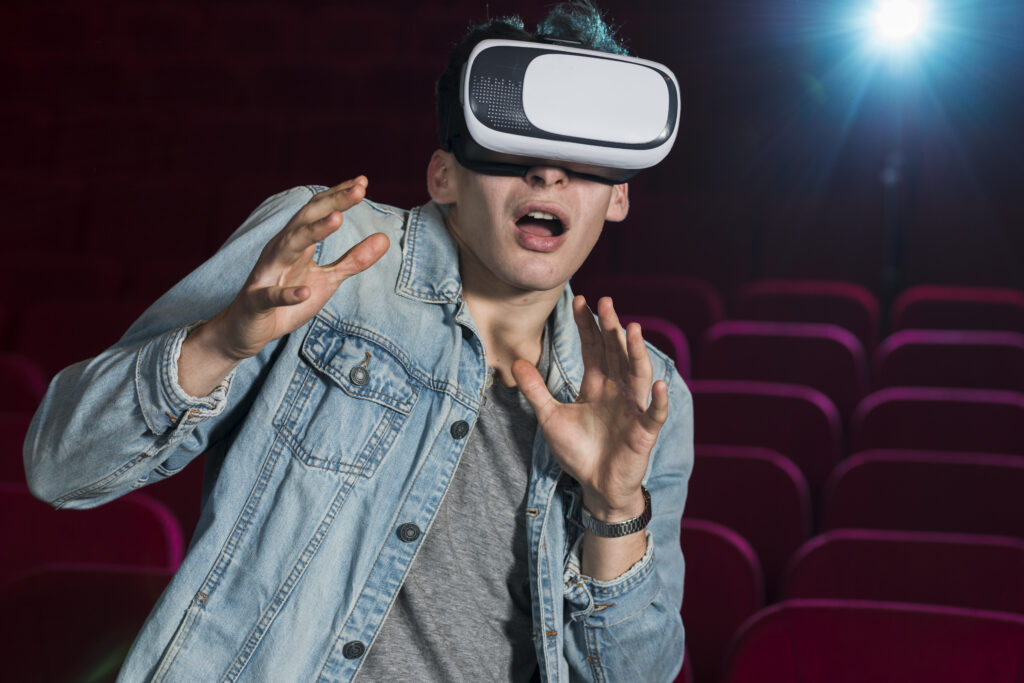
Advances in wellness innovations have allowed greater participation of individuals in electric medicine, making it more readily available. Among these would be brain stimulation direct-current stimulation (brain current therapy) because headsets deliver low-level currents to those parts of the brain related to mood and focus. Approved devices – for example, those by Flow Neuroscience – allow users to work on treating their depression at home; marking a shift to health tech that is user-oriented.
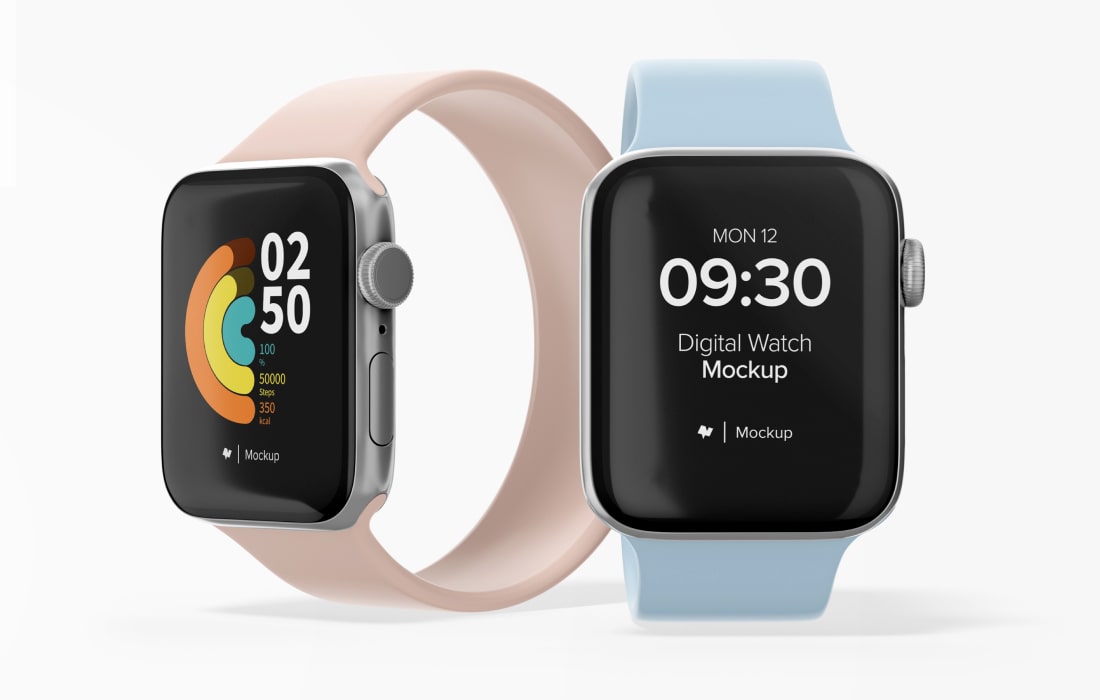
Another advance is nerve pulse. nerve pulse targets the main nerve pathway of the body connecting the brain to organs. Wearables, like Nurosym, use gentle pulses to activate the rest system – helping with stress reduction and better sleep. This emphasizes accessibility, turning complex medical notions into simple tools for everyday well-being.
Electric medicine has left hospitals. It is taking up space at wellness centers and homes. In mental health, it supports practices working on building emotional resilience by modulating signals of the brain. In physical health, devices like pain relief include spinal cord stimulators which manage chronic pain by blocking discomfort signals without the use of drugs.
Some of the main advances in health are,
- brain current therapy headsets: Portable brain uplifts mood uplifts great for workers on the go in the 2026 lifestyle who need quick mental boosts.
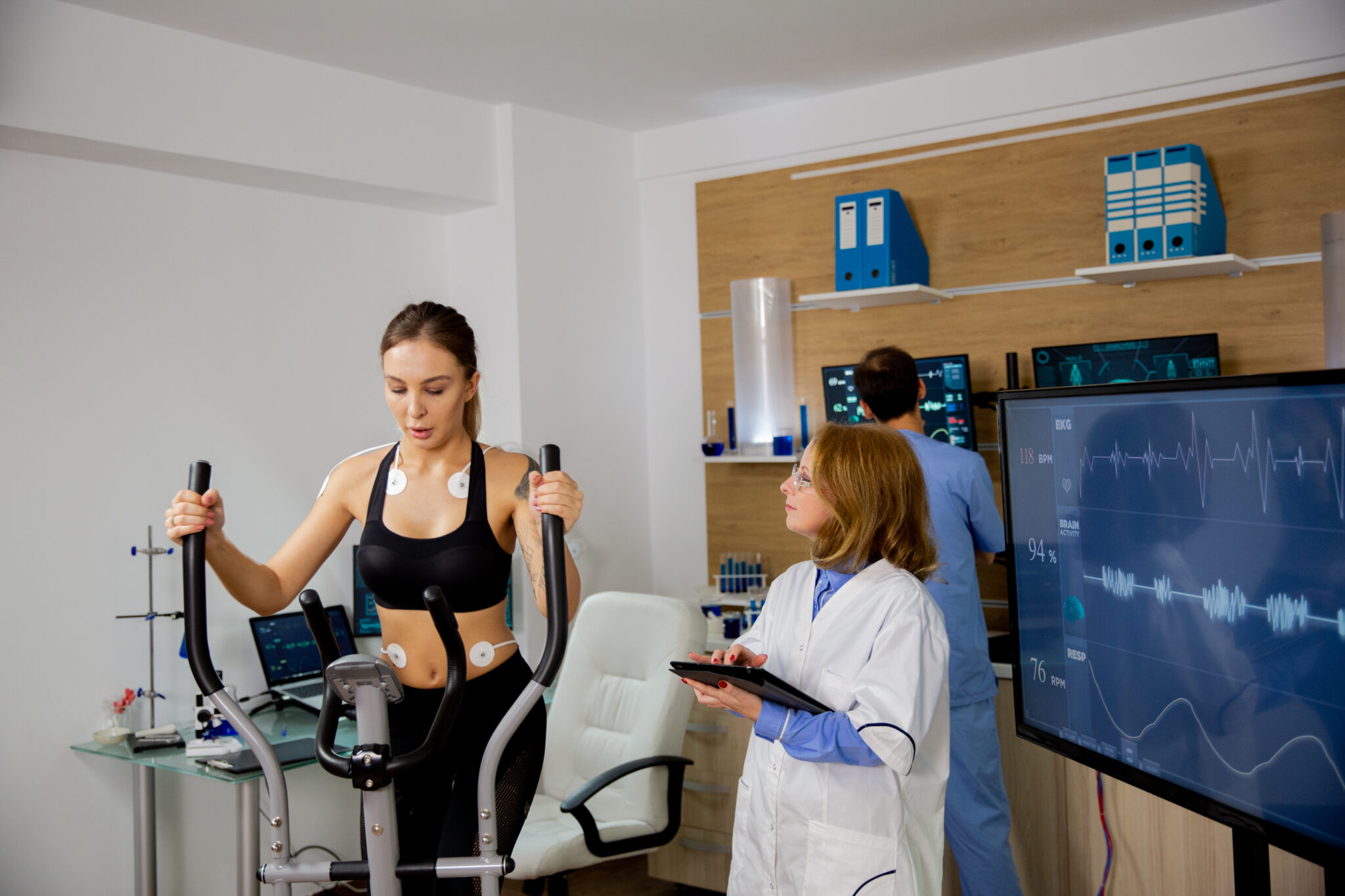
- nerve pulse wearables bring rest and immune balance helping to aiding recovery from daily stress such as work strain. signal tracking systems joining sensors with electrical feedback will watch body signs to change stimulation right away for personal care. At-home electrotherapy units used for muscle recovery and pain relief join apps in tracking progress.
Such examples show how health tech inspires wellness innovations, making this field a plausible option for contemporary life. Wearable and implantable – this is how health tech progress defines this field. Implantables comprise deep brain stimulators usually applied for long-term conditions like Parkinson’s disease. Systems allow precise control of neural activity, offering adaptive systems in which the adjustment is based on real-time feedback from the body itself.
Other than that, wearables are not invasive and easy to use, fitting naturally with the 2026 lifestyle. They use flexible material elements and wireless energy resources to deliver therapy in a way that does not interfere with the user. Advances include battery-less designs, powered by body movements or external sources; hence minimizing the need for regular charging.
| Device Type | Use | Advantages | Drawbacks | 2026 Lifestyle Suitability |
| brain current therapy Headset | Mood and focus enhancement | Non-invasive, low cost, home device | Requires regular sessions, only for mild conditions | High – Can be used in daily life for wellness |
| nerve pulse Wearable | Stress relief and immune support | Portable device with clinical trial support | Expensive. Needs pairing with an app | Medium – For use while on the move during busy days |
| Spinal Cord Stimulator | Chronic pain management | Long-term relief, fully customizable | Invasive procedure. Risks involved | Low – Only for severe cases not casual wellness |
| signal tracking Implant | Real-time health monitoring | Adaptive therapy. Precise | Requires surgery and maintenance | Medium – Attractive to tech-advanced care seekers |
This table explains how wellness innovations in medical technology satisfy different needs for health, from prevention to general care up to specific care. Impact on 2026 lifestyle Habits Daily Use and Preventive Support As we imagine the 2026 lifestyle, this field is supposed to be central in the ways people maintain health. With increasing awareness toward mental and bodily balance, these tools provide easy methods for problem prevention. For example, wearables that detect stress based on heart rate variation could soon enable immediate electrical stimulation to bring calmness.
This goes along with the “mental strength” trend, where this field builds resilience to daily stressors. In a fast-moving world, medical tech means health is preventive, not reactive.
Benefits for Modern Living
As part of the future living, electric medicine offers the following benefits:
- Enhanced Accessibility: These devices, being more affordable and easy to use, will see wide adoption without any visits to the doctor.
- Personalized Wellness: AI in medical tech adjusts treatments to fit individual needs, thus improving results.
- Lower reliance on drugs: It follows natural electrical ways that lower side effects and also attracts those who wish for a pure way of life.
- Sustainability Focus: Designs without batteries and its ability to be recycled connects with being green, aligning with eco trends in advances linked to health.
- Social Integration: Apps related to devices enable sharing of experiences, fostering support networks.
That’s how electric medicine makes future living complete.
Challenges and Considerations
Electric medicine does have its challenges, it is promising. The main concern is safety, as improper use of any electrical device will induce pain and in the long run, may not be effective. Regulation is improving with approvals coming in that would ensure quality but currently, the presence of unregulated products in the market makes it a dangerous place.
Access continues to be an issue. Rising costs mean limited availability in some places. Ethical issues arise from data privacy in connected medical tech tracking personal body signals. Also, more research is needed to expand applications which are limited.
Yet, wellness innovations keep working through barriers towards making electric medicine safer plus more inclusive for the 2026 lifestyle.
Conclusion
This field is a major new approach of health and wellness. It delivers accurate potent treatments that are not very invasive through advances in health. The wave of health tech progress keeps reshaping these tools to become even more integrated by 2026 standards for life. With optimism going forward, healthier, better-rounded lives are the probable outcome because of preventive, personalized care. Electric medicine does face challenges getting to its potential; however, the maximum achievable would rewrite wellness and set an ultimate future where biology and technology collaborate.
For more exclusive Lifestyle updates, visit CBS Magazine