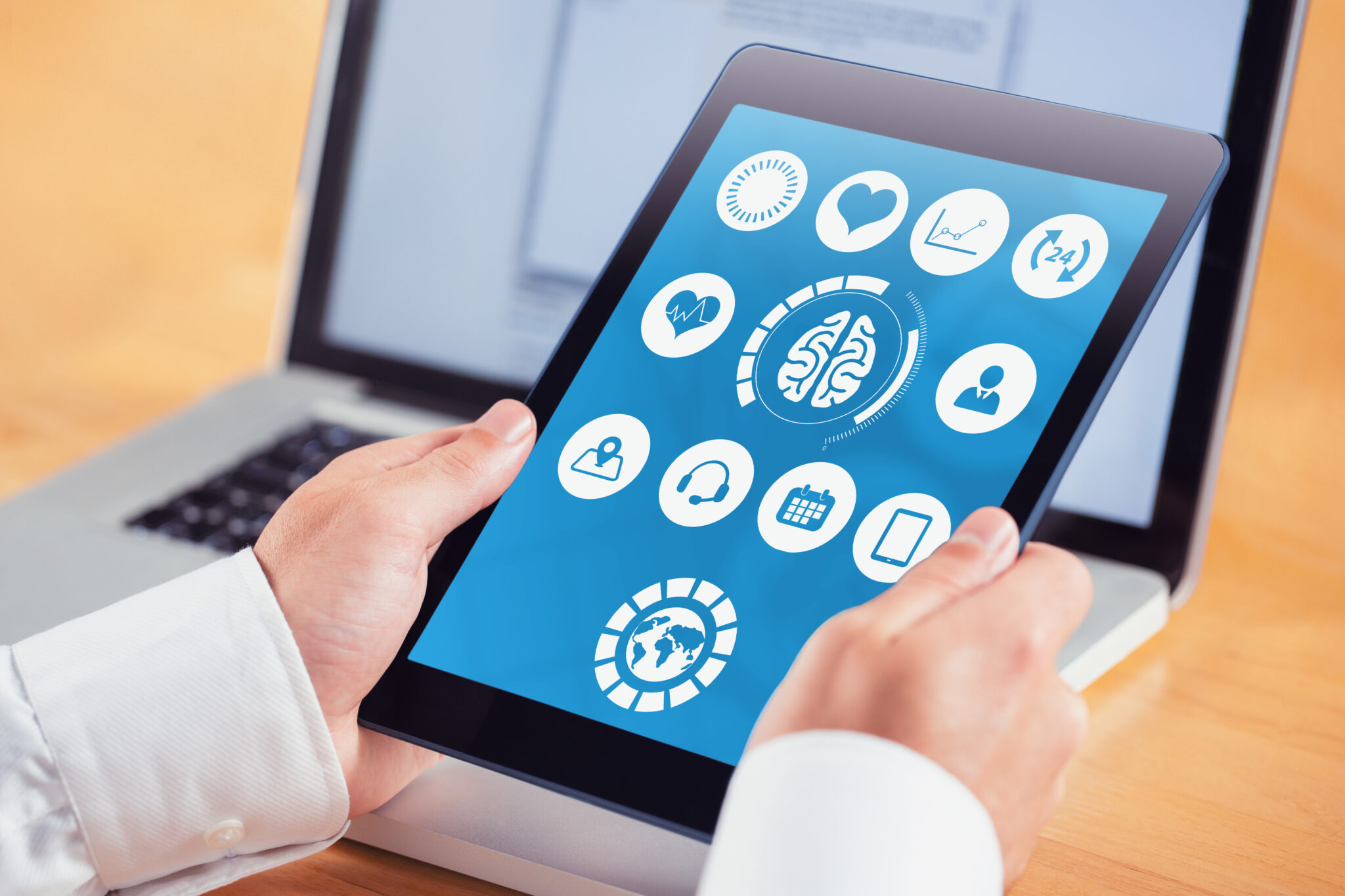
As long as the demands keep increasing and confrontations with different degrees of tackiness, high stress, and even burnout, then it becomes very pertinent to take care of the mental health of employees. This is where support from mental health apps comes in—simple yet elegant and great ways to support corporate wellness programs. They offer just-in-time resources enabling people to take charge of their wellness anywhere they may be. The result of this mixture between such and other initiatives within wellness programs creates a supportive culture that promotes productivity in an organization while minimizing employee turnover. This review takes a significant look at how it can tune the corporate strategy through features highlighted and steps recommended for success.
A Quick Look at Mental Health in the Corporate World
It truly does impact every single element of the organization’s output. Many employees are inundated, which leads to low focus, increased sick leave as well as high healthcare costs. Recent surveys have indicated that poor mental health is making businesses lose billions annually through reduced productivity. For instance, firms need to strive against worker exhaustion because extended pressure drains teamwork spirit and enthusiasm.
Corporate wellness programs that directly address these tendencies instill trust and loyalty. Mental health apps are very personal in this provision of helping people by providing general support. They make it simple for employees to access help in a way that does not stigmatize traditional counseling. Stress reduction features like guided breathing can help free a busy mind in most cases throughout a challenging workday. Furthermore, teletherapy integration would always make a smooth connection with professional help, ensuring the right care at the right time for the employees.
As workplaces shift to remote and hybrid models, such gaps are filled with assistance from these apps. They offer a broad perspective ranging from daily mood check-ins to long-term plans in the prevention of employee burnout. Mental health, an asset by which firms will not only fulfill modern demands but also generate atmospheres where individuals thrive.
The greatest benefits of including mental health apps in corporate wellness programs are the lucidity of being accessible, affordable, and scalable for any size team. Here’s some more.
- Improved Employee Engagement- Regular check-ins via the apps keep employees well connected to their well-being increasing the participation of wellness activities and sense of community.
- Though not that of face-to-face therapy, the apps would have the advantage of reducing cost while maintaining quality therapy that can be accessed at any time of the day. Features that reduce stress, which include very short meditation sessions, are quick wins requiring no big investment.
- Teletherapy securely. Speak with licensed therapists-most are counselors, therefore built to offer accurate assistance particularly when used together with self-help. Less absenteeism. The usage of these applications directly reduces absenteeism that is caused by stress. Up to 30% reductions have been recorded in programs dedicated to preventing burnout amongst employees.
- Generally speaking, the supposed net result of all these advantages is not only increased creativity but also improved collaboration plus enhanced company reputation with healthier workers. Invest here, and your business will gain returns from happier as well as more resilient teams.
Choice of application should majorly consider functionalities that answer business needs. Yes, it’s true; not every tool bears the same creation. Give a high preference to those answering day-to-day business problems. Below is a list of features that made the cut in helping with stress reduction, teletherapy integration, HIPAA compliance, and employee burnout prevention.
Stress Reduction Features
Today’s professionals encounter stress on a daily basis. Any application that includes known ways of reducing this harmful stress through techniques like mindfulness exercises and progressive relaxation will definitely be very unique features. These functions enable the users to pause and refresh themselves amidst tight deadlines. For example, an audio-guided five-minute session might reduce your cortisol levels and increase concentration. Look for things that are tailor-made such as content themes regarding ‘high-pressure seasons’ like end-of-year reviews. Good apps track the progress of the user, telling them that continued practice becomes success and resilience over time.
It finds its way into the daily activities of workers in corporate organizations as they can use it during their break time, hence promoting a proactive self-care habit. Studies have indicated that regular practices for reducing stress bring the total tension down by even 40%- a cornerstone for wellness.
Professional assistance should be readily available. Counselor-matching apps via teletherapists match users with licensed counselors over video or chat very rapidly based on needs e.g. anxiety, or work-life balance. Everything stays organized together with the sessions; notes remain just between the concerned people and the applications only.
For corporations, it fills the space between app-based self-help and professional advice. Workers who need more help can get it without having to begin from scratch. The incorporation of teletherapy also helps in team bonding through group sessions for the collective well-being of the team. It is critical to determine if the apps being considered have a range of therapists to meet varied cultural and linguistic needs.
Data security is an aspect of the mental health tools that cannot be bargained. The HIPAA compliance assures keeping safe sensitive information. All applications in compliance use encryption as well security server and access control preempt any breach; this will now further solidify its place within corporate programs where employee trust often hangs highly confidential.
Beyond the basics, look for apps that have implemented regular audits and publish transparency reports. This is an important way of knowing how secure an app is. While it does not make an app totally infallible, it is a step in the right direction. Apart from just meeting the legal standard, HIPAA compliance offers users that much assurance. In wellness programs, it enables the safe sharing of anonymized data to improve programs without any privacy risks. The last thing any business wants is sensitive data getting into the wrong hands. Using non-compliant tools may result in fines plus reputational damage; hence, certification has to be verified upfront.
Burnout sneaks up on the best of teams. In the arsenal of apps set to target employee burnout prevention, mood trackers, workload assessors, and boundary-setting reminders are among tools. All these help the user to come across such early signs like excess fatigue and recommend what is to be done.
Include interactive elements such as goal-setting modules for helping employees build sustainable habits. More particularly, avoid overload in specific with stress-reducing features in combination with time-management tips. In corporations available as calendar apps for automatic wellness nudging, long run bringing in a balance-oriented culture lowering turnover from the root causes such as unreal expectations.
When you are looking at apps, check for evidence-based techniques that sit within the science of psychology. You will then be sure of the real solution and not just some window dressing.
Top 10 Mental Health Apps for Corporate Wellness
This table will show a quick start with a view between one app and another as to which is best fit for corporate usage. It highlights core features to help you match them against your program’s goals.
| App Name | Key Features | Best For | User Rating (Out of 5) |
| HeadSpace for Work | Guided Meditations, Sessions for Reducing Stress, Teletherapy Integration, HIPAA-Compliant Analytics | Daily Mindfulness and Team Challenges | 4.8 |
| Calm for Business | Sleep Stories, Breathing Exercises, Burnout Prognostics for Employees, Data is Secure | High Stress Periods | 4.7 |
| Talkspace | On-Demand Messaging Therapy, Mood Journal, Encrypted Chats (HIPAA Compliant), Stress Reduction Tools | Quick access to Licensed Therapists | 4.6 |
| Wellable | Personalized Plans for Wellness, Teletherapy Links, Burnout Risk Assessments, Full HIPAA Support | Comprehensive Corporate Dashboards | 4.5 |
| MoodFit | Customizable CBT Exercises, Progress Tracking for Employee Burnout Prevention, Compliant Storage | Long-Term Coping Skills and Building of Coping Strategies | 4.4 |
| Happify | Gamified Applications around Positivity, Stress Reduction Playable ‘Teletherapies’, Features of HIPAA | Where employees have fun working remotely | 4.5 |
This choice has been made on user reviews, scalability, and requirements of the workplace. All three do provide enterprise plans with admin controls to monitor the adoption process without invading privacy.
Implementing Mental Health Apps into Your Wellness Program
The successful implementation of these apps requires a needs assessment to know the pain points of your team, that is, what common stress triggers are. The steps include the following:
- Pilot and Train: Pilot with a small trial of volunteer groups. Launch simple onboarding sessions with a focus on stress reduction and teletherapy integration.
- Promote Inclusivity: Multilanguage and accessibility options, plus communication around HIPAA compliance to build confidence.
- Measure Impact: Built-in metrics tracking engagement, really focusing on outcomes such as reduced self-reported burnout, based on feedback.
- Integrate into Broader Company Programs: Offer workshops about employee burnout prevention that discuss the use of apps to create cultural acceptance.
- Sustaining Momentum: Reward continuous usage with badges and regular updates on wins.
Long-term effect is what organizations find when they inculcate apps. Not supervision but rather an issue of visibility is the common challenge to deal with low adoption.
Conclusion
Mental health apps are fast transforming corporate wellness programs into formidable allies against workplace stress. Methods for reducing stress, integration with teletherapy platforms, and so on offer practical support to employees. Compliance with HIPAA builds trust and targeted strategies that prevent employee burnout sustain long-term health.