Entertainment has gone far beyond sight and sound. It has evolved into something participatory, transforming the audience into the participant. True Immersive Experiences combine technology, creativity, and humanity to create enduring experiences. Acts of Immersion will redefine our relationship with stories, moments, and each other because of emerging digital tools coupled with a growing hunger for authentic, personalized joy. This paper discusses the leading trends, technological innovations, and cases shaping the future.
The Rise of Immersive Experiences in 2026
Immersive experiences 2026 will be facilitated by merging the physical place with digital aspects, helping to bring entertainment to life and making it more intimate. Experts predict that by 2026, brands as well as creators will focus on building environments where people step between different realities due to the fact that consumer desires for both escapism and connection are leading post years of digital fatigue.
A major part of the experiences within 2026 is artificial intelligence available content personalization. Artificial intelligence can interpret preferences of users in real time and adjust any lighting or sound effects, even storylines, to suit their preferences. For instance, at a concert or theme park, personalized notifications and interactive elements based on general history of visits can be provided. This level of individualization makes every visit unique and increases engagement levels.
Sustainability is going to be another big player in experiences come 2026. As one of the set designers says, ‘we are using recycled materials for our sets,’ and conscious consumers are happy when the provider reduces their carbon footprint of large-scale events by using energy efficiency tech among other things, to be an eco-friendly design.
Key Experiential Entertainment Trends
Experiential entertainment trends swing towards the uncomplicated, the natural, swinging away from overdone spectacles. In 2026, experiences of meaningful interactions that offer value long past when the experience has ended will take preference. These are trends on emotions rather than just a feast for the eyes.
Here are some standout experiential entertainment trends to watch:
- Multi-sensory interactions: Beyond visual and auditory. Include scents, tastes, and feelings. Consider pop-up dinner performances where smells and tastes connect to the story theme.
- Community-Driven Events: Audiences who assist brands in building loyal groups through joint creation inspire other marketers. For example, allow your fans to vote on themes for events or submit ideas to crowdsourcing initiatives. They would feel like they belong.
- Digital-physical hybrids: The web and the actual merge smoothly allowing distant people to take part in real events through applications or virtual gates.
- Wellness components: Majority feature mindfulness elements such as guided meditations within the sensation environments to support well-being.
- Analytics-based personalization: Organizers use analytics in developing targeted experiences that change and evolve based on the mood or preference of the crowd.
All these experiential entertainment trends draw a spotlight onto a shift toward user-centric designs – placing the audience at the very heart of the narrative. As technology continues to develop, these will be further accessible components that would bring quality entertainment to wider groups.
Pop-up activations that will surprise and delight-with touch-based experiences-will be seen more in 2026. Urban space installations, which can transform mundane locations into adventure fields draw the audience inside it, plus create a lot of buzz on social media.
VR and AR in Live Events: Revolutionizing Engagement
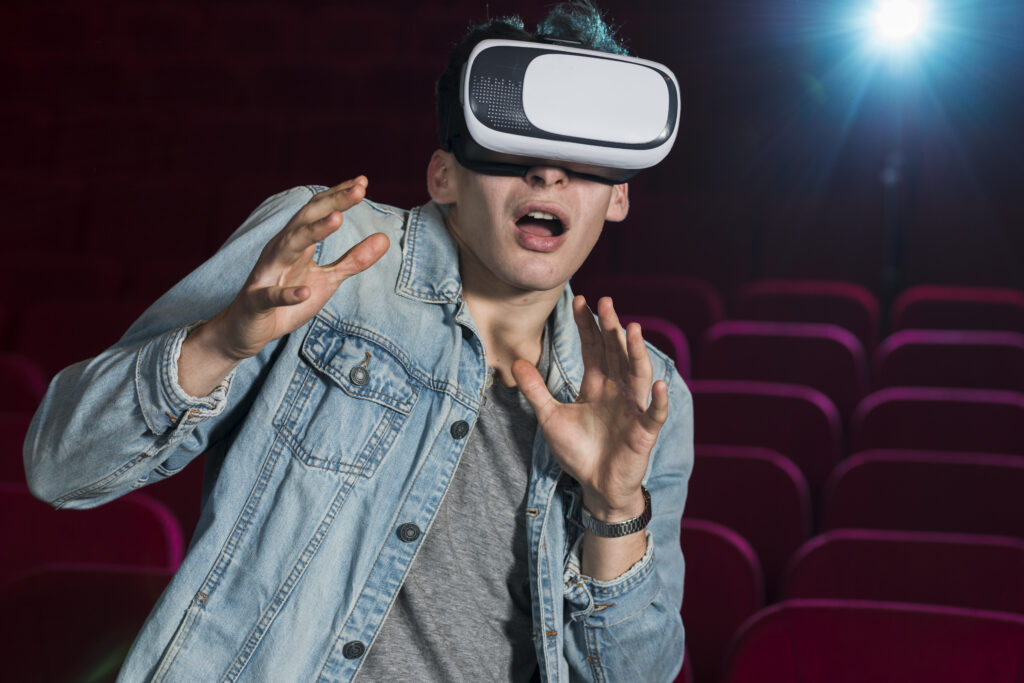
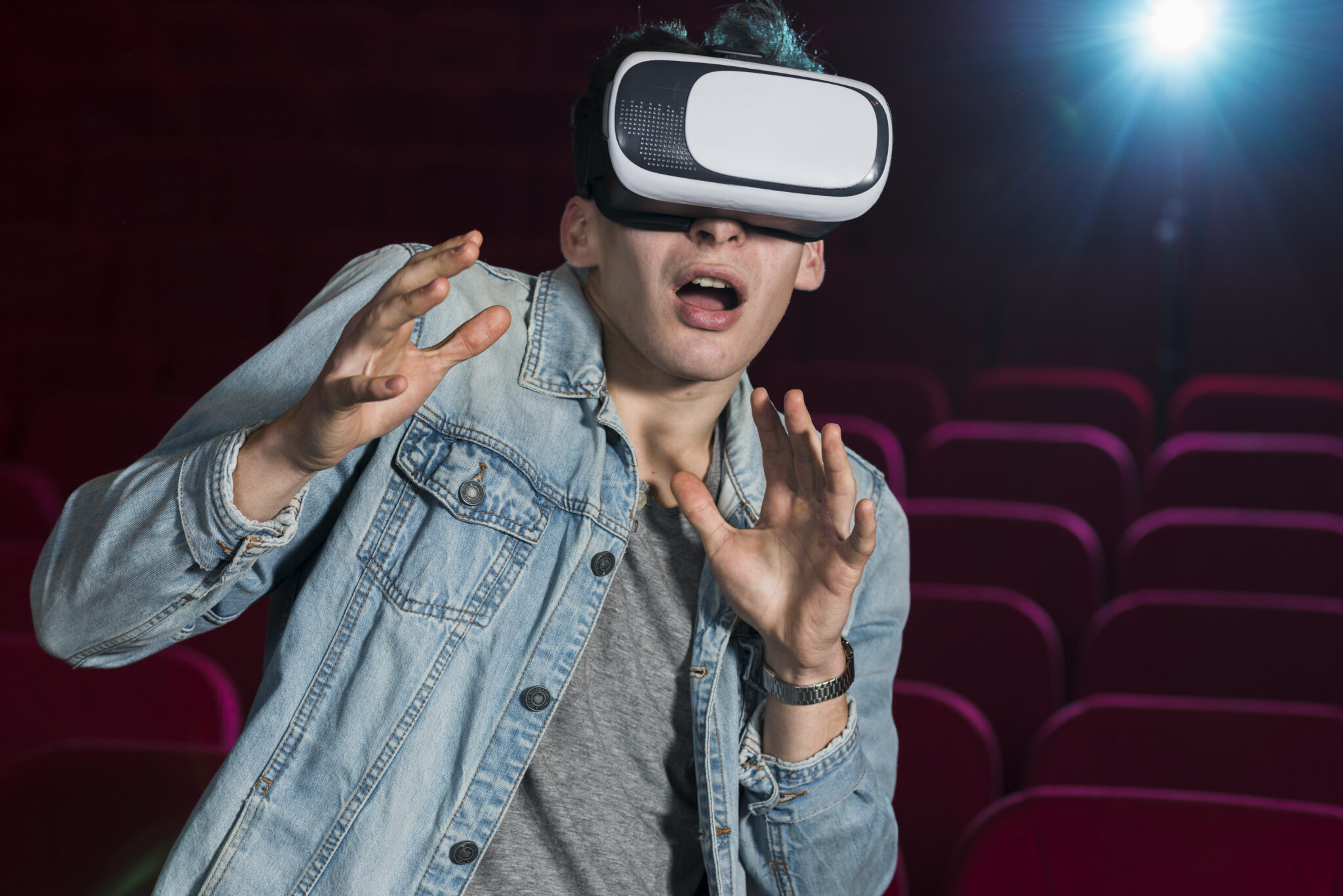
VR AR live events are turning old meetings into shows. By 2026, it will be used to aid people get a better feeling both in the real world and in virtual spaces. With the use of VR headgear, AR glasses can give viewers an even greater look by putting extra layers of info or dreams on top of the real act happening right now.
At concerts, there could be an augmented overlay of the lyrics with facts about the artist or even virtual dancers performing right on stage. At sporting events delivered as VR AR live events, users will select the camera angle and feel like they are in the field themselves. This type of interactivity increases excitement and makes events more inclusive to remote attendees.
Conventions and exhibitions have adopted VR AR live events as well. Virtual booths allow for global participation with zero travel, thus lowering costs and reducing the carbon footprint. Expect hybrid models in 2026 where a physical attendee applies AR to see digital exhibits while online users go through via VR.
A primary challenge to the VR AR live events market is device penetration since not everybody carries premium handsets hence creators are resolving to come up with apps that can run on smartphones. This democratizes access so immersive tech becomes accessible by a lot more people.
Comparing Technologies in Immersive Entertainment
To further understand what tools are driving change, here’s a table comparing key technologies used in immersive and experiential entertainment:
| Technology | Description | Key Applications | Advantages | Challenges |
| Virtual Reality (VR) | Totally computerized surroundings which shut out the actual world. | Games, simulations for training, virtual tours. | High immersion; total escapism. | Can induce motion sickness; requires headsets. |
| Augmented Reality (AR) | Superimposes digital components on the actual world through gadgets. | Enhancements to live events, shopping experiences. | Enhances reality without isolation; mobile-friendly. | Quality of device-dependent; limited field of view. |
| Mixed Reality (MR) | REAL and VIRTUAL objects are mixed so that they can interact IN REAL TIME. | Collaborative working, Interactive storytelling. | REALISTIC INTERACTIONS, Versatile For Events | HIGH COMPUTATIONAL NEEDS Emerging Tech |
| Extended Reality (XR) | It is an umbrella term for VR, AR, and MR. | Broad entertainment as concerts or museums. | It is as flexible; combining the best of all worlds | Integration complexities and varying user adoption. |
This compares how VR AR live events and related tech are the avenues of choice for creators. Come 2026 , hybrids between these two will dominate delivering richer experiential entertainment trends.
Networks, such as 5G and 6G will become available by the time it is 2026. Such faster networks will greatly minimize the delay in presenting live events through VR AR. Therefore, there shall be a major leap towards technologies that enable virtual gatherings at large scale to feel like being with them in person.
Story-Living Entertainment: Blurring Lines Between Fiction and Reality
Story-living entertainment places one inside stories and makes them feel as real as their own lives. There is no passive viewing, choices made by the participants determine the ultimate ending, and a “live” feeling emanates. By 2026, it takes story-living entertainment out of theaters and places it in everyday spaces.
Themed residential communities are a good example where life becomes a story, and people find themselves living inside it. Inspired by a favorite tale, architecture, events, and activities develop making residents feel like characters inside an ongoing adventure. Among other community gatherings with live performances, interactive workshops, and themed dining this place offers story-living entertainment.
Immersive theater is the clearest example of story-living entertainment at live events. Audiences wander through spaces, interacting with actors, and altering the stories. It draws people who want a deeper emotional link to content.
The benefits of story-living entertainment include:
- Long Memory Retention: Participation makes memories stay for a long time.
- Social Connection: Shared narratives connect people.
- Creative Output: Users can co-write stories and create in new ways.
- Therapeutic Value: The narrative throws the stress away and welcomes happiness.
- Educational Potential: Narratives make the understanding of difficult topics easy by making them interesting.
This kind of experiential entertainment is increasing as more venues adopt the story-living format. In 2026, collaborations from tech folks and storytellers are expected to create scalable versions.
VR AR live events raise story-living fun by adding digital covers. For example, AR apps could turn a walk in the city into a historical quest making users “live” past events.
Emotional depth becomes story-living fun in 2026 with changing plot joining through smart machines. Some people may answer smartly to what users do; thus, each time is different.
Challenges and Opportunities Ahead
Though the future is glorious, the future is not without challenges. High prices on advanced technology make it unapproachable for many people, but falling trends in prices by the year 2026 will somewhat ease matters. Meticulously managed, privacy issues regarding data-based experience would create trust.
Such trends allow the opening of branded entertainment experiences, whereby it is possible for brands to use immersive formats as part of their advertising and marketing campaigns, making fans through memorable interactions. The education and training industry will spring forth from the virtual reality augmenting real live event experiences since it will be able to provide simulations akin to actual scenarios within a safety net.
Entertainment Story-living weaves an environment of cultural exchange sharing tales across borders to worldwide audiences. As tech keeps moving, such experiences will keep becoming more accessible to different needs.
Conclusion
Experiential entertainment is on a positive growth trajectory, beginning with immersive experiences 2026. Experiential entertainment trends run the gamut from authenticity to VR AR live events merging worlds. Story-living entertainment brings things home, allowing us to step into stories in ways never previously imagined. Even as it pushes for that kind of innovation, access remains a question. In the end, this transformation will create better, more connected ways of having fun-whether it be at a live event or in some virtual realm where the future of entertainment lies in making moments that matter.
For more exclusive Entertainment updates, visit CBS Magazine